Follow Diloya, take you to appreciate industry trends, real-time information
 Home > News > Industry News
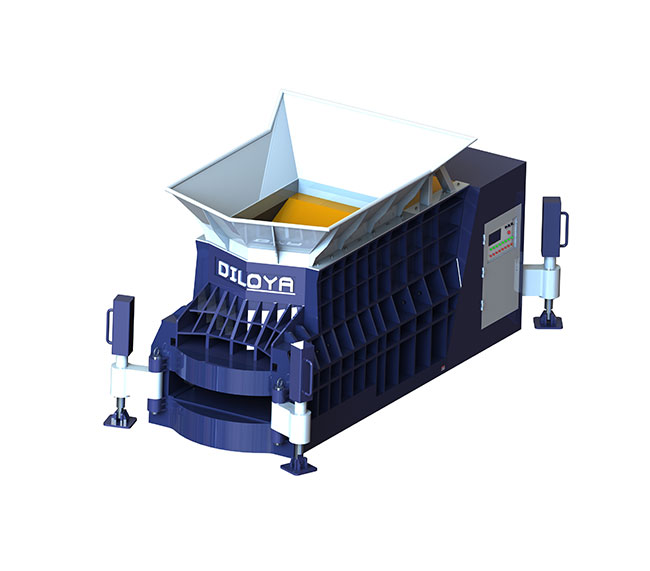
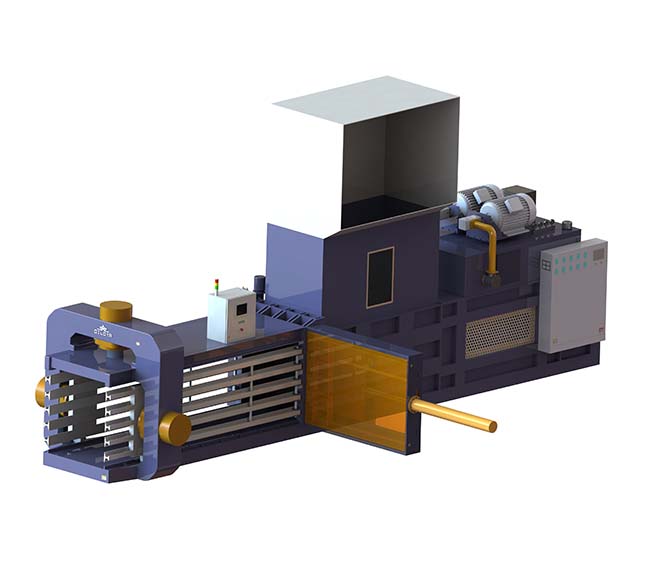
Metal scrap pancake machines—commonly used in recycling facilities to compress metal scraps into dense, manageable bales (often referred to as "pancakes")—rely heavily on hydraulic systems for their operation. These systems provide the high pressure needed to compact metal efficiently. However, due to the harsh operating conditions (high pressure, abrasive materials, continuous use), hydraulic systems are prone to various faults.
Below is a comprehensive guide to common hydraulic system faults and their repair methods specific to metal scrap pancake machines.
Common Hydraulic System Faults & Repair Methods
1. Low Hydraulic Pressure
Symptoms:Inadequate compaction force.Slow or incomplete bale formation.Hydraulic pump running but no response from cylinders
Causes:Leaking seals or hoses.Air in the system (cavitation).Worn pump or motor.Clogged or restricted filters.Low hydraulic fluid level
Repair Methods:Check and top up hydraulic fluid to correct level.Bleed air from the system using bleeder valves.Inspect and replace damaged hoses, seals, or O-rings.Clean or replace clogged filters (especially suction and return filters).Test and replace the hydraulic pump if output pressure is below specifications.Inspect the relief valve for improper setting or sticking.
> Pro Tip: Use only manufacturer-recommended hydraulic fluid (e.g., ISO VG 46 or 68) to avoid viscosity issues.
2. Hydraulic Fluid Contamination
Symptoms:Increased system temperature.Rapid wear of components.Unusual noises (grinding, whining).Reduced efficiency
Causes:Dirt, metal particles, or water ingress.Old or degraded fluid.Poor maintenance practices
Repair Methods:Drain and flush the entire system thoroughly.Replace all contaminated fluid with clean, fresh fluid.Install new filter elements (including both suction and return filters).Inspect and clean reservoir (remove sludge, debris).Check for internal component wear (pump, valves, cylinders).
> Prevention:Implement regular fluid analysis (oil sampling every 3–6 months) and maintain strict cleanliness during servicing.
3. Leaking Hydraulic Hoses or Connections
Symptoms:Visible fluid leaks under machine.Dripping or pooling fluid.Decreasing fluid level despite no visible damage
Causes:Loose fittings or improperly torqued connections.Damaged or aged hoses.Corrosion at joints.High vibration causing fatigue
Repair Methods:Shut down and depressurize the system before inspection.Tighten all fittings to manufacturer torque specs.Replace cracked, bulging, or worn hoses immediately.Use reinforced or high-pressure-rated hoses suitable for the application.Install protective clamps or shields to reduce hose wear from rubbing.
> Note: Always replace hoses in pairs if one is damaged (to maintain balanced flow and prevent future failure).
 |
4. Overheating Hydraulic System
Symptoms:Hot fluid (temperature > 60°C/140°F).Reduced performance.Fluid degradation or foaming.Thermal expansion leading to seal failure
Causes:Blocked cooling fins or radiator.Inadequate airflow around the cooler.Overloading the system.Internal leakage (e.g., worn pumps or valves).Incorrect fluid type or level
Repair Methods:Clean cooling fins and ensure unobstructed airflow.Check and replace coolant (if applicable) or inspect oil-to-water heat exchanger.Reduce load or check for mechanical binding in cylinders or rams.Inspect internal components for excessive internal leakage.Verify correct fluid type and level.
> Tip: Install a temperature sensor with alarm to monitor overheating in real time.
5. Noisy Operation (Whining, Squealing, or Hammering)
Symptoms:Audible noise from pump or valves.Pulsation or vibration in hydraulic lines
Causes:Air in the system.Cavitation (due to low fluid level or clogged intake).Worn pump or motor bearings.Improperly sized or routed hydraulic lines.Sticking or faulty directional control valves
Repair Methods:Bleed air from the system.Ensure proper fluid level and clean intake filter.Inspect pump for bearing wear or internal damage; replace if necessary.Re-route or re-support flexible lines to minimize vibration.Clean or replace stuck directional valves.
> Diagnostic Tool: Use an ultrasonic leak detector to pinpoint noisy components.
6. Cylinder Leakage or Slow Movement
Symptoms:Cylinder fails to extend/retract fully.Gradual sinking under load (when holding position).Oil seepage around piston rod
Causes:Worn piston seals or rod seals.Internal bypass due to damaged cylinder bore.Contaminated fluid damaging seals.Misalignment or binding in ram mechanism
Repair Methods:Disassemble cylinder and inspect seals and bore surface.Replace all seals (O-rings, wipers, backup rings) with OEM parts.Polish or hone cylinder bore if scored or pitted (or replace cylinder).Check alignment of ram and frame—correct any misalignment.Ensure proper lubrication of moving parts.
> Critical: Never reuse old seals—always install new ones during rebuild.
7. Faulty Directional Control Valves
Symptoms:Cylinder does not respond to commands.Delayed or erratic movement.Valve jamming or sticking
Causes:Contaminated fluid.Debris trapped inside valve spool.Worn solenoids or spring failures.Electrical issues (in electrically operated valves)
Repair Methods:Remove and clean the valve internals with approved solvent.Inspect spool and bore for scoring or wear.Replace worn solenoid coils or springs.Test electrical connections and control signals.Consider upgrading to a higher-quality, industrial-grade valve.
> Safety Note: Disconnect power before working on solenoid valves.
 |
Preventive Maintenance Best Practices
To minimize hydraulic faults:
1. Daily: Check fluid level, look for leaks, listen for abnormal noises.
2. Weekly: Inspect hoses, connections, and reservoir cleanliness.
3. Monthly: Replace filters and check fluid condition (color, smell, clarity).
4. Every 6–12 Months: Perform full system flush and fluid change.
5. Annual: Conduct professional hydraulic system audit and performance testing.
Summary Table
| Fault | Primary Cause | Key Repair Action |
| Low Pressure | Leaks, air, worn pump | Bleed system, replace seals, test pump |
| Contamination | Dirt/water ingress | Flush system, replace fluid & filters |
| Leaking Hoses | Aged/damaged hoses | Replace hoses, tighten fittings |
| Overheating | Blocked cooler, overload | Clean cooler, reduce load, check fluid |
| Noisy Operation | Air, cavitation, worn pump | Bleed air, clean intake, replace pump |
| Cylinder Leak | Worn seals | Rebuild cylinder, replace seals |
| Valve Malfunction | Debris, electrical fault | Clean, inspect, replace solenoid |
Final Notes
Regular preventive maintenance and prompt attention to early warning signs can significantly extend the life of the hydraulic system in metal scrap pancake machines. Always refer to the machine’s operator manual and hydraulic schematics when diagnosing and repairing. When in doubt, consult a certified hydraulic technician.
By maintaining your hydraulic system properly, you ensure consistent bale quality, increased uptime, and reduced repair costs—critical for efficient scrap processing operations.
Let me know if you'd like a printable checklist or troubleshooting flowchart!
 Product
Solution
Application
Support
News
About us
Contact Us
Product
Solution
Application
Support
News
About us
Contact Us
 Phone: +86 152 2134 7650
 E-mail: info@diloya.com
 Address: No. 888, West Two HuanHu Road, Shanghai Free Trade Zone, China


All rights reserved by DILOYA GROUP
Technical support: E-Power Network