Follow Diloya, take you to appreciate industry trends, real-time information
 Home > News > Industry News
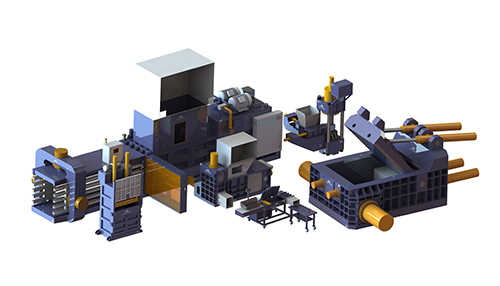
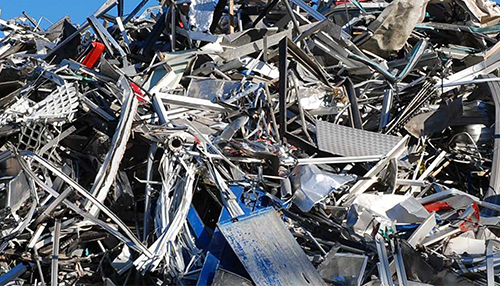
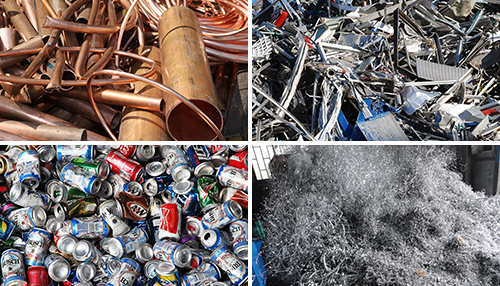
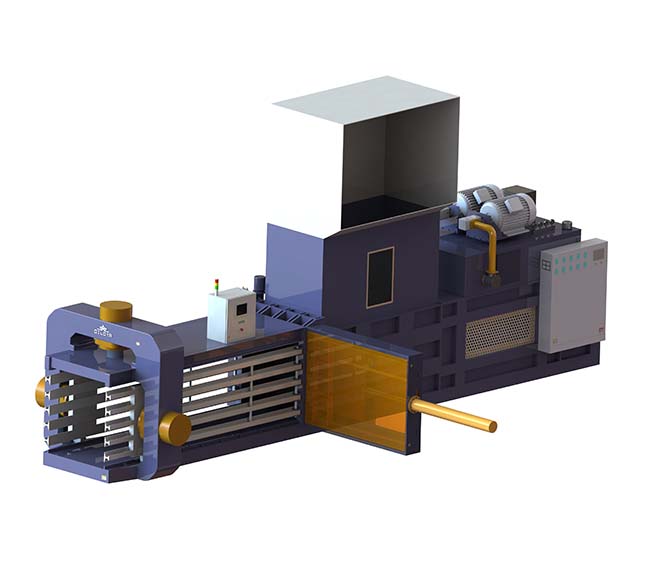
Mixed waste presents significant challenges for material processing equipment, especially heavy-duty metal balers. The combination of varying materials, contaminants, and inconsistent feed rates can lead to frequent jams, increased wear, and reduced operational efficiency. To address these issues, upgrading the durability and adaptability of heavy-duty metal balers is essential.
Here are key improvements to consider:
1. Enhanced Structural Durability
- Reinforced Frame Design: Use high-tensile steel or alloyed structural components to withstand impact and stress from mixed, irregularly shaped waste.Welded & Heat-Treated Components: Improve joint integrity and resistance to fatigue through precision welding and heat treatment processes.Corrosion-Resistant Coatings: Apply galvanized or powder-coated finishes to protect against moisture and chemical exposure common in mixed waste environments.
2. Adaptive Baling Mechanisms
- Variable Pressure Systems: Incorporate hydraulic systems with adjustable pressure settings to handle diverse materials—from soft metals to dense, tangled scrap.Smart Sensor Integration: Use load sensors and AI-driven feedback systems to automatically adjust bale density based on material type and feed consistency.Self-Cleaning Tines & Ram Blades: Design with anti-jam features like replaceable, hardened tines and self-clearing ram blades to reduce blockages from debris.
 |
3. Robust Feeding & Material Handling
- Heavy-Duty Conveyor Systems: Integrate reinforced conveyors with variable-speed drives to manage uneven or mixed feed without overloading.Pre-Sorting & Shredding Integration: Pair balers with automated shredders or magnetic separators to remove non-metallic contaminants before baling, reducing jam risks.Adjustable Feed Chutes: Allow customization for different waste sizes and shapes, improving flow and minimizing clogging.
4. Modular & Service-Friendly Design
- Quick-Replace Parts: Use modular components (e.g., ram assemblies, shear blades) for rapid maintenance and minimal downtime.Remote Diagnostics & Monitoring: Enable real-time performance tracking via IoT-enabled systems to predict failures and schedule proactive maintenance.
5. Energy Efficiency & Sustainability
- High-Efficiency Hydraulic Pumps: Reduce energy consumption while maintaining high force output.Recyclable Materials in Construction: Use recycled steel and sustainable manufacturing practices to align with green operations.
 |
Conclusion:
Upgrading heavy-duty metal balers with enhanced durability, intelligent adaptability, and robust feeding systems directly addresses the challenges posed by mixed waste. These improvements not only reduce jamming and maintenance costs but also increase throughput, safety, and overall ROI in recycling and scrap processing facilities.
Investing in a next-generation baling system built for real-world variability ensures smoother operations—even when handling the most challenging mixed waste streams.
 Product
Solution
Application
Support
News
About us
Contact Us
Product
Solution
Application
Support
News
About us
Contact Us
 Phone: +86 152 2134 7650
 E-mail: info@diloya.com
 Address: No. 888, West Two HuanHu Road, Shanghai Free Trade Zone, China


All rights reserved by DILOYA GROUP
Technical support: E-Power Network