Follow Diloya, take you to appreciate industry trends, real-time information
 Home > News > Industry News
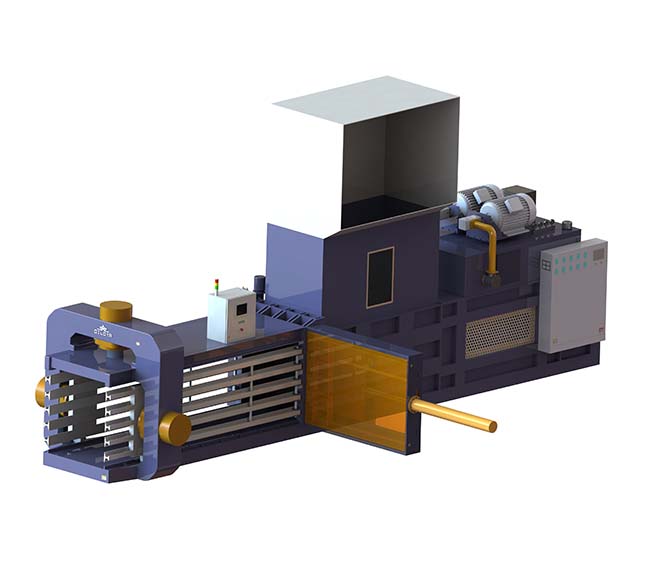
Hydraulic metal balers are essential in recycling operations, efficiently compressing scrap metal into dense bales for easier handling and transport. However, improper maintenance can significantly reduce equipment lifespan, increase downtime, and lead to costly repairs.
Below are common maintenance mistakes that accelerate wear and damage to hydraulic metal balers:
1. Neglecting Hydraulic Fluid Maintenance
- Mistake: Failing to check, change, or filter hydraulic fluid regularly.
- Consequences: Contaminated or degraded fluid leads to:Increased friction and heat buildup.Wear on pumps, valves, and cylinders.Cavitation and internal corrosion
- Best Practice:Check fluid levels weekly.Change fluid every 2,000–4,000 operating hours (or per manufacturer guidelines).Use the correct viscosity and type of hydraulic fluid.Install and maintain high-quality filters.
2. Ignoring Filter Replacement
- Mistake: Skipping routine replacement of hydraulic filters (suction, return, and pressure filters).
- Consequences:Particulate contamination accelerates wear on moving parts.Clogged filters cause pressure drops and overheating.
- Best Practice:Replace filters at recommended intervals.Monitor filter bypass indicators and replace immediately if triggered.
3. Overloading the Baler
- Mistake: Compressing materials beyond the machine’s rated capacity.
- Consequences:Excessive stress on hydraulic system components.Premature failure of pistons, seals, and cylinder rods.Structural deformation of the bale chamber.
- Best Practice:Stick to the manufacturer’s maximum material size and density limits.Use proper material sorting and preprocessing (e.g., removing oversized or non-compressible items).
4. Failing to Lubricate Moving Parts
- Mistake: Overlooking lubrication points such as pivot arms, guide rails, and chain drives.
- Consequences:Increased friction and wear.Binding, misalignment, and premature component failure.
- Best Practice:Follow the lubrication schedule in the manual.Use appropriate grease or oil for each point.Clean grease fittings before applying lubricant.
|
5. Using Low-Quality or Incorrect Components
- Mistake: Replacing worn seals, hoses, or valves with inferior or mismatched parts.
- Consequences:Leaks, system failures, and reduced efficiency.Potential safety hazards due to ruptured hoses or failed seals.
- Best Practice:Always use OEM or certified aftermarket parts.Verify part compatibility before installation.
6. Allowing Dirt and Debris to Accumulate
- Mistake: Not cleaning the baler after operation or neglecting debris removal from the bale chamber.
- Consequences:Abrasive particles enter hydraulic systems via seals and valves.Corrosion and clogging of small passages.
- Best Practice:Perform daily cleaning of the bale chamber, ram, and surrounding areas.Use compressed air or brushes to remove metal shavings and dust.Inspect and clean drain lines and filters regularly.
7. Ignoring Warning Signs
- Mistake: Disregarding warning signs like unusual noises, slow cycle times, leaks, or erratic movements.
- Consequences:Small issues escalate into major breakdowns.Extended downtime and higher repair costs.
- Best Practice:Train operators to recognize early symptoms (e.g., hissing sounds, sluggish movement).Implement a preventive maintenance checklist and log all observations.
|
8. Improper Shutdown Procedures
- Mistake: Turning off the machine without allowing the hydraulic system to cool down or releasing pressure.
- Consequences:Thermal stress on components.Risk of sudden release of stored energy during servicing.
- Best Practice:Allow the system to cool after extended use.Release pressure before performing any maintenance.
Summary: Key Maintenance Tips to Extend Lifespan
| Mistake | Prevention Strategy |
| Poor fluid management | Regular checks, timely changes, quality filters |
| Ignoring filters | Replace on schedule; monitor indicators |
| Overloading | Stay within rated capacity; sort materials |
| Skipping lubrication | Follow lubrication chart; clean fittings |
| Using poor-quality parts | Buy OEM or certified replacements |
| Dirty environment | Daily cleaning; debris removal |
| Neglecting warnings | Train staff; implement inspection logs |
| Improper shutdown | Cool down first; relieve pressure |
Final Thoughts
Proactive, consistent maintenance is far more cost-effective than reactive repairs. By avoiding these common mistakes, operators can extend the life of their hydraulic metal baler by years, improve safety, enhance efficiency, and ensure reliable performance—maximizing ROI in recycling operations.
> Tip:Create a digital maintenance log or use a CMMS (Computerized Maintenance Management System) to track inspections, fluid changes, and part replacements automatically.
Stay vigilant. Maintain well. Operate safely.
 Product
Solution
Application
Support
News
About us
Contact Us
Product
Solution
Application
Support
News
About us
Contact Us
 Phone: +86 152 2134 7650
 E-mail: info@diloya.com
 Address: No. 888, West Two HuanHu Road, Shanghai Free Trade Zone, China


All rights reserved by DILOYA GROUP
Technical support: E-Power Network