Follow Diloya, take you to appreciate industry trends, real-time information
 Home > News > Recent Report
Maintenance and Care Guide for Scrap Aluminum Balers: Reduce Downtime and Extend Service Life
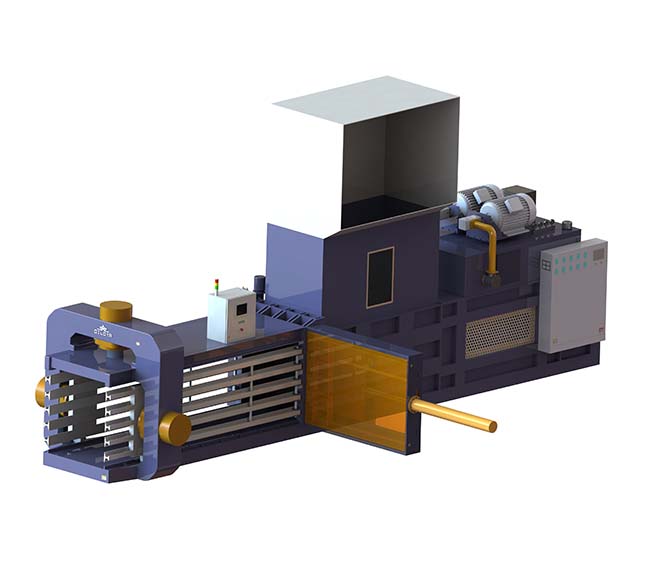
Scrap aluminum balers are essential in recycling operations, transforming loose aluminum scrap into compact, manageable bales for efficient transport and resale. Proper maintenance ensures optimal performance, minimizes unplanned downtime, and significantly extends the machine’s service life. This comprehensive guide outlines best practices to keep your aluminum baler running smoothly.
1. Daily Maintenance Checks (Daily)
Perform these quick checks at the start of each shift:
- Inspect Hydraulic System: Check for leaks around hoses, fittings, and cylinders. Look for oil stains or drips.Examine Baling Chamber & Ram: Ensure no debris, aluminum fragments, or foreign materials are lodged in the chamber or on the ram.Check Safety Guards & Emergency Stops: Confirm all guards are in place and functioning. Test emergency stop buttons.Verify Belt & Chain Tension: Inspect drive belts and chains for proper tension and wear. Replace if frayed or stretched.Clean Exterior & Work Area: Remove accumulated dust, metal shavings, and debris from around the baler and conveyor system.
>Tip: Use a log sheet to record daily inspections—this helps track recurring issues.
2. Weekly Maintenance Routine
Go beyond daily checks with deeper inspection and cleaning:
- Lubricate Moving Parts: Apply recommended lubricant to pivot points, bearings, rollers, and chain drives per manufacturer guidelines.Clean Hydraulic Filters: Replace or clean hydraulic filters to maintain fluid cleanliness and prevent contamination.Inspect Cutting Blades (if applicable): Check for dullness, chipping, or misalignment. Sharpen or replace as needed.Test Electrical Components: Verify control panel functions, limit switches, and sensors are responsive.Check Conveyor Belts: Inspect for tears, slippage, or misalignment. Adjust tension or replace if worn.
>Note:Always power down and lock out/tag out (LOTO) before performing any maintenance.
|
3. Monthly Preventive Maintenance
Schedule a more thorough review monthly:
Inspect Hydraulic Cylinders: Look for scratches, dents, or seal leaks. Test cylinder extension/retraction speed.
- Replace Worn Seals & Gaskets: Replace seals in hydraulic systems and pneumatic components before failure occurs.Calibrate Pressure Settings: Ensure hydraulic pressure is within specified range using a pressure gauge.Check Structural Integrity: Examine frame welds, support beams, and mounting bolts for cracks or loosening.Clean and Inspect Control Panel: Dust and debris can cause electrical faults—clean terminals and check wiring connections.
4. Quarterly & Annual Overhaul
For long-term reliability, perform full system overhauls every 3–6 months (or annually):
Full Hydraulic Fluid Change: Drain old fluid and refill with manufacturer-recommended grade. Flush the system if contaminated.Replace Drive Belts & Chains: Install new belts/chains based on wear indicators or schedule.Inspect Baling Ram & Bushings: Check for excessive wear or play. Replace bushings or ram guides if necessary.Evaluate Motor & Pump Performance: Test motor amperage draw and pump efficiency; address inefficiencies early.Review Safety Systems: Conduct full functional tests of safety interlocks, light curtains, and emergency stops.
> Best Practice: Keep detailed records of all maintenance activities. Use this data to predict future failures and optimize replacement schedules.
5. Operator Training & Best Practices
Well-trained operators are key to preventing avoidable damage:
- Train Operators on Proper Loading Techniques: Avoid overloading or feeding non-aluminum materials (e.g., steel, plastic).Enforce Material Preparation: Ensure scrap is free of contaminants like dirt, oil, or large obstructions.Promote Immediate Reporting: Encourage staff to report unusual noises, vibrations, or performance drops immediately.Use Correct Tools & PPE: Never use improper tools during cleaning or adjustments. Require gloves, eye protection, and steel-toed boots.
|
6. Common Issues & How to Prevent Them
| Issue | Cause | Prevention |
| Low bale density | Misaligned ram, worn blades, low pressure | Regular calibration and blade maintenance |
| Hydraulic leaks | Damaged seals, loose fittings | Frequent inspection and timely seal replacement |
| Belt slippage | Improper tension, worn pulleys | Adjust tension and inspect pulley alignment |
| Jamming in chamber | Foreign material, oversized pieces | Train operators; use pre-sorting screens |
| Sudden shutdowns | Electrical fault, sensor failure | Routine electrical checks and sensor cleaning |
7. Extending Service Life: Pro Tips
- Use High-Quality Lubricants & Fluids: Stick to OEM-recommended products—cheap alternatives can cause premature wear.Install Protective Covers: Use splash guards or covers on hydraulic lines to reduce exposure to debris and moisture.Monitor Operating Hours: Track machine usage to anticipate component replacements before failure.Partner with OEM Service Providers: Schedule regular professional servicing and diagnostics.
Conclusion
A well-maintained scrap aluminum baler operates efficiently, reduces operational costs, and delivers consistent bale quality. By following this structured maintenance plan—daily checks, scheduled servicing, operator training, and proactive repairs—you can:
- Reduce unplanned downtime by up to 50%,Extend equipment lifespan by 3–5 years,Improve recycling throughput and profitability
Remember: Preventive maintenance isn’t an expense—it’s an investment in productivity, safety, and long-term savings.
 Product
Solution
Application
Support
News
About us
Contact Us
Product
Solution
Application
Support
News
About us
Contact Us
 Phone: +86 152 2134 7650
 E-mail: info@diloya.com
 Address: No. 888, West Two HuanHu Road, Shanghai Free Trade Zone, China


All rights reserved by DILOYA GROUP
Technical support: E-Power Network