Follow Diloya, take you to appreciate industry trends, real-time information
 Home > News > Company News
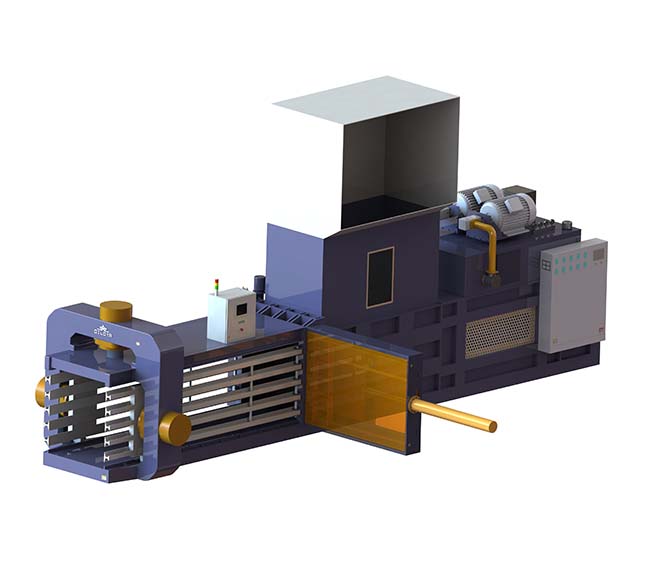
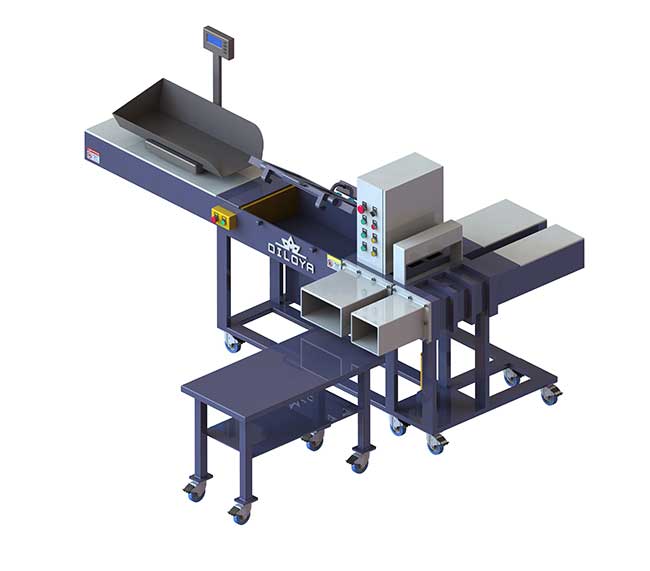
Maintaining a metal scrap pancake machine (also known as a scrap baler or metal baling press) is essential for ensuring optimal performance, extending equipment lifespan, and maintaining safety. Below is a comprehensive Daily Maintenance Checklist to help operators and maintenance personnel keep the machine running efficiently
Daily Maintenance Steps for Metal Scrap Pancake Machines
1. Pre-Operation Inspection
- Visual Check:Inspect the entire machine for signs of leaks (hydraulic fluid, lubricants).Look for loose bolts, cracked welds, or damaged structural components.Check for excessive wear on rollers, ram, and die plates.
- Safety Devices:Verify that emergency stop buttons, safety guards, and interlocks are functional.Ensure photoelectric sensors or pressure switches are clean and unobstructed.
2. Clean the Machine
- Remove Debris:Clear metal shavings, dust, and scrap buildup from the hopper, feed area, and around the bale chamber.Use compressed air or a vacuum cleaner (avoid high-pressure hoses near sensitive electronics).
- Clean the Ram & Die Area:Wipe down the ram piston and die plate surfaces to remove metal residue.Remove any stuck material that could affect bale formation or cause misalignment.
- Hopper & Feed Chute:Clear obstructions and ensure smooth flow of scrap into the bale chamber.
3. Inspect Hydraulic System
- Check Fluid Levels:Confirm hydraulic oil level is within the recommended range (use dipstick or sight glass).Top off if necessary with the correct grade of hydraulic fluid.
- Look for Leaks:Inspect hoses, fittings, seals, and connections for drips or seepage.Check under the machine and around the reservoir.Monitor Pressure Gauges:Ensure operating pressure is within normal range (refer to manufacturer’s manual).
4. Lubrication (If Applicable)
- Apply lubricant to all designated points:Pivot points on the ram mechanism.Guide rails and slides.Chain drives (if equipped).Use only manufacturer-recommended lubricants and follow grease chart guidelines.Avoid over-lubrication to prevent contamination of scrap or bales.
5. Check Electrical Systems
- Inspect control panel for loose wires, burn marks, or corrosion.Test indicator lights and display screens for proper operation.Ensure all push buttons and selector switches respond correctly.
 |
6. Verify Baling Cycle Functionality
- Run a short test cycle with no scrap (or dummy load):Observe ram movement—should be smooth, without jerking or grinding.Confirm timing sequence: feeding → compression → ejection → reset.Listen for unusual noises (grinding, squealing, banging).
7. Inspect Safety Features
- Test emergency stop button by pressing it during a cycle—machine should halt immediately.Ensure access doors and guards lock properly when closed.Confirm that the machine won’t start unless all safety interlocks are engaged.
8. Record Daily Logs
- Document:Date and shift.Any issues encountered (e.g., slow ram, leaks, alarms).Lubrication performed.Parts replaced or inspected.Report recurring problems to maintenance supervisor.
9. Prepare for Next Shift
- Turn off main power and hydraulics after shutdown.Secure all access panels and guards.Keep the work area clean and free of tripping hazards.
Pro Tips:
- Use PPE: Always wear gloves, safety glasses, and steel-toed boots during cleaning/lubrication.Avoid Overloading: Never exceed rated capacity—this stresses the system and leads to premature failure.Train Operators: Ensure all users understand daily checks and safe operation procedures.
 |
When to Call Maintenance:
- Persistent hydraulic leaks.Unusual vibrations or noises.Inconsistent bale density or size.Safety device malfunctions.Control panel errors or repeated resets.
Summary:
Daily maintenance prevents breakdowns, improves efficiency, ensures operator safety, and reduces long-term repair costs. Consistency is key—make this checklist part of your standard operating procedure.
> Always refer to your machine’s manufacturer manual for model-specific instructions and maintenance intervals.
Let me know your machine model (e.g., Eriez, Harsco, GEMCO), and I can tailor a more specific checklist!
 Product
Solution
Application
Support
News
About us
Contact Us
Product
Solution
Application
Support
News
About us
Contact Us
 Phone: +86 152 2134 7650
 E-mail: info@diloya.com
 Address: No. 888, West Two HuanHu Road, Shanghai Free Trade Zone, China


All rights reserved by DILOYA GROUP
Technical support: E-Power Network