Follow Diloya, take you to appreciate industry trends, real-time information
 Home > News > Company News
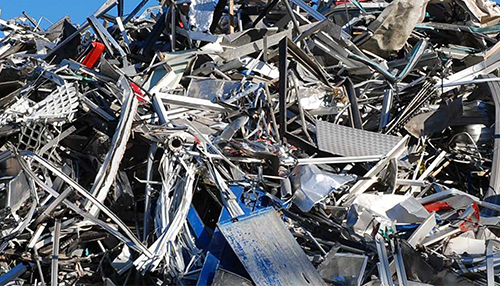
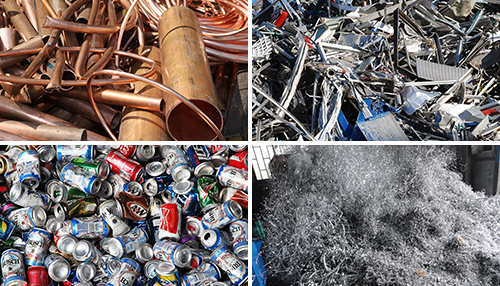
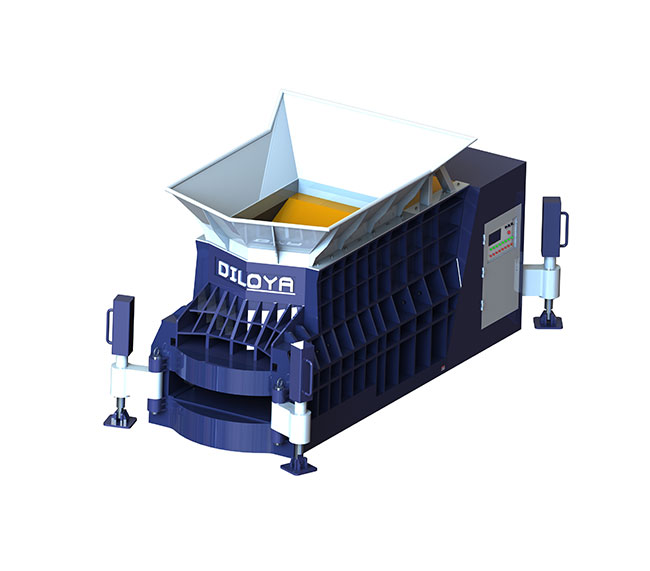
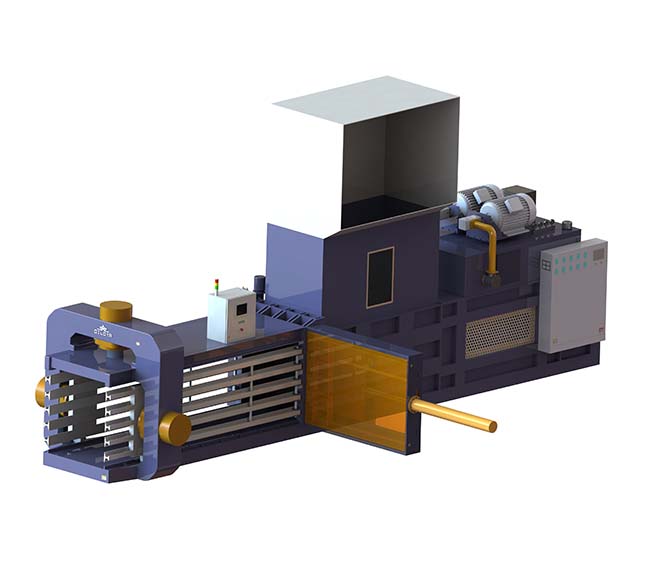
Troubleshooting and maintenance of metal scrap briquetting machines are critical for ensuring stable production, reducing operational costs, and enhancing overall efficiency in industrial enterprises. These machines compress loose metal scraps (e.g., steel, aluminum, copper) into dense, uniform briquettes for easier handling, storage, and recycling.
Below is a comprehensive guide to effective troubleshooting and maintenance practices:
I. Common Issues & Troubleshooting Techniques
| Issue | Possible Causes | Solutions |
| Briquettes not holding shape or crumbling | Inadequate pressure, low moisture content, poor scrap material quality | Adjust hydraulic pressure; ensure proper feedstock composition; add small amounts of binding agents if allowed (e.g., recycled oil, water); inspect die and piston wear |
| Machine overheating | Overloading, inadequate lubrication, clogged cooling system | Reduce load; check coolant levels and flow; clean heat exchangers; inspect motor and drive components |
| Excessive noise/vibration | Loose bolts, misaligned components, worn bearings, unbalanced flywheel | Tighten all fasteners; realign shafts and pulleys; replace worn bearings; balance rotating parts |
| Low output or frequent stoppages | Clogged dies, foreign objects in feed, insufficient feed rate | Clean dies regularly; install magnetic separators or screens upstream; adjust feeder speed and consistency |
| Hydraulic system failure (leaks, pressure drops) | Worn seals, damaged hoses, air in system, low fluid level | Replace seals/hoses; bleed air from system; refill hydraulic fluid to correct level; use high-quality, recommended-grade fluid |
| Motor tripping or overheating | Electrical overload, voltage fluctuations, faulty starter | Check electrical connections; verify supply voltage stability; inspect motor windings and thermal protection devices |
| Inconsistent briquette density | Uneven feed rate, fluctuating pressure, worn die/piston | Calibrate feeding system; monitor pressure gauges; replace worn tooling; implement automated control systems |
 |
II. Preventive Maintenance Best Practices
1. Daily Checks:
- Inspect for leaks (hydraulic, lubrication).Verify lubrication levels and apply grease to pivot points.Check for unusual noises or vibrations.Clear debris from the feed hopper and discharge area.
2. Weekly Maintenance:
- Clean die and compression chamber thoroughly.Examine belts, chains, and couplings for wear or slack.Test safety interlocks and emergency stops.Inspect hydraulic hoses and fittings for cracks or swelling.
3. Monthly/Quarterly Tasks:
- Replace hydraulic filters and lubricants per manufacturer guidelines.Perform full alignment checks on drive shafts and pulleys.Conduct die and piston inspections for wear or cracks.Update PLC/automation settings (if applicable).
4. Annual Overhaul:
- Disassemble key components (press ram, die holder, hydraulic cylinder).Replace worn parts (seals, gaskets, bushings).Calibrate pressure sensors and control systems.Review machine performance data and optimize settings.
III. Optimization Strategies for Efficiency & Cost Reduction
1. Material Preparation:
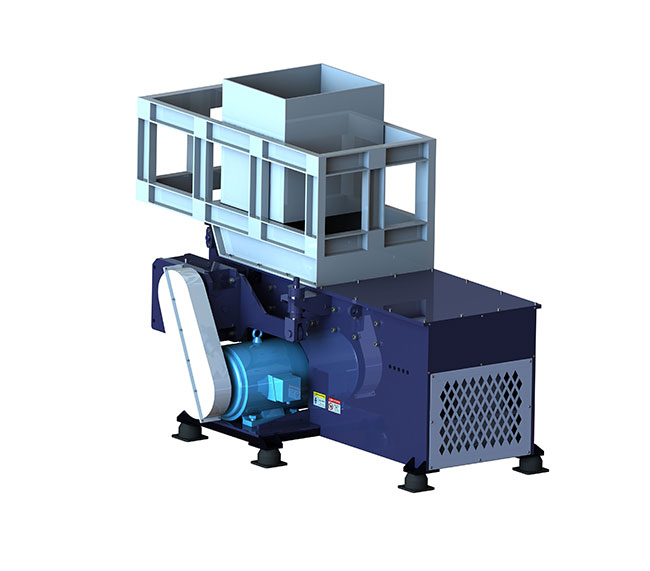
- Use shredders or crushers to reduce scrap size before feeding.Remove non-metallic contaminants (plastics, rubber, dirt) via magnetic separators or air classifiers.Sort scrap by metal type to avoid contamination and improve briquette quality.
2. Automation & Monitoring:
- Implement IoT-enabled sensors for real-time monitoring of pressure, temperature, and cycle times.Use SCADA systems to track downtime, energy consumption, and output trends.Set up predictive maintenance alerts based on usage patterns.
3. Energy Efficiency:
- Optimize hydraulic system design (e.g., variable displacement pumps).Schedule operations during off-peak electricity hours.Ensure proper insulation and ventilation to minimize heat loss.
4. Training & Standardization:
- Train operators on correct procedures and safety protocols.Develop standard operating procedures (SOPs) for startup, shutdown, and cleaning.Encourage a culture of proactive reporting and preventive care.
 |
IV. Key Benefits of Proper Maintenance
Increased Machine Lifespan: Well-maintained machines can last 10–15 years with minimal major repairs.Reduced Downtime: Proactive maintenance cuts unplanned outages by up to 70%.Lower Operating Costs: Fewer part replacements, less energy waste, and reduced labor for emergency fixes. Higher Briquette Quality: Consistent output improves resale value and customer satisfaction.Enhanced Safety: Regular inspections prevent accidents caused by mechanical failures.
Conclusion
A structured approach to troubleshooting and maintenance transforms metal scrap briquetting machines from potential liabilities into reliable assets. By combining daily vigilance, scheduled servicing, smart automation, and operator training, enterprises can achieve stable production, significant cost savings, and sustainable efficiency gains—ultimately strengthening their position in the circular economy and metal recycling market.
> Pro Tip: Keep a digital maintenance log (via CMMS software) to track service history, predict wear cycles, and ensure compliance with safety standards.
Implementing these strategies not only protects your investment but also supports long-term environmental and economic sustainability.
 Product
Solution
Application
Support
News
About us
Contact Us
Product
Solution
Application
Support
News
About us
Contact Us
 Phone: +86 152 2134 7650
 E-mail: info@diloya.com
 Address: No. 888, West Two HuanHu Road, Shanghai Free Trade Zone, China


All rights reserved by DILOYA GROUP
Technical support: E-Power Network