Follow Diloya, take you to appreciate industry trends, real-time information
 Home > News > Industry News
Aluminium UBC Baling Machine: Revolutionizing Recycling Efficiency
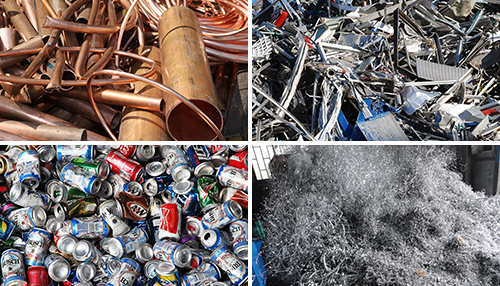
In the global pursuit of sustainable development, recycling has emerged as a cornerstone of environmental stewardship, and aluminium recycling stands out for its remarkable energy-saving potential. Among the critical equipment driving this initiative is the Aluminium UBC Baling Machine, a specialized device designed to compress used beverage cans (UBCs) into dense, manageable bales. This article explores the functionality, benefits, technological advancements, and environmental impact of these machines, highlighting their indispensable role in modern recycling ecosystems.
 |
Understanding Aluminium UBC Baling Machines
Aluminium UBC Baling Machines are industrial devices engineered to process large volumes of used aluminium beverage cans by compacting them into uniform bales. These bales typically measure between 600x400x300mm and 1200x800x600mm, with weights ranging from 30kg to 200kg, depending on the machine’s capacity and compression force. The primary goal is to reduce the volume of loose UBCs by up to 90%, making transportation, storage, and subsequent processing significantly more efficient.
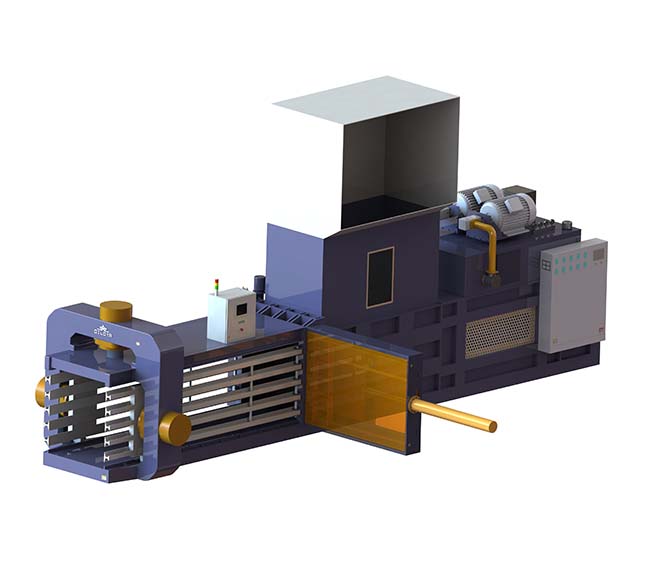
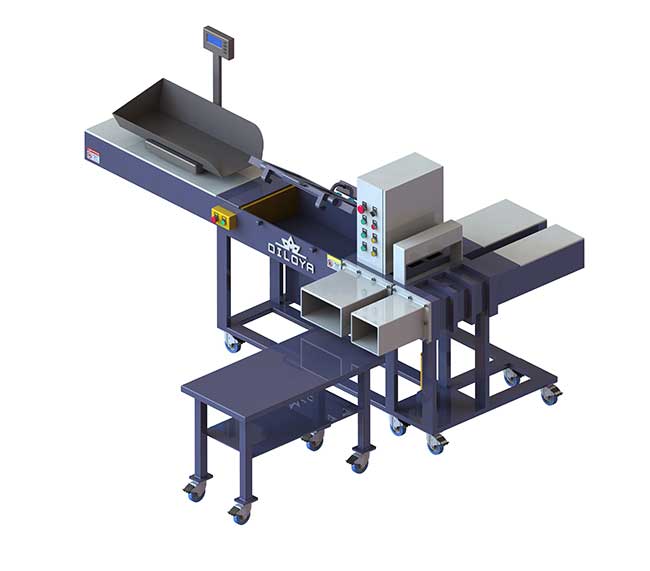
The core components of a standard UBC baling machine include a hydraulic system, a compression chamber, a feeding mechanism, and an ejection system. The hydraulic system, powered by electric motors or diesel engines, generates the force required to compress the cans—often ranging from 50 tons to 300 tons of pressure. This force is applied uniformly within the compression chamber, where loose UBCs are fed either manually or via conveyor belts. Once compressed, the bale is tied with steel wires or plastic straps to maintain its shape, then ejected for storage or transport.
Operational Mechanics: How UBC Baling Machines Work
The operational process of an Aluminium UBC Baling Machine can be broken down into four key stages, each optimized for efficiency and safety.
First, feeding: Loose UBCs are collected and fed into the machine’s hopper. Smaller machines may require manual feeding, while industrial-scale models use automated conveyor systems to handle continuous input, processing up to 500kg of UBCs per hour.
Second, compression: The hydraulic piston pushes the cans into a confined space, gradually reducing their volume. This stage is critical for ensuring bale density—higher density minimizes transportation costs and maximizes storage efficiency.
Third, binding: Once compressed to the desired size, the bale is secured with steel wires or plastic straps. Modern machines often feature automated binding systems, reducing manual labor and increasing throughput.
Finally, ejection: The finished bale is pushed out of the compression chamber onto a conveyor or storage area, ready for shipment to recycling facilities.
Technological Advancements in UBC Baling
Over the past decade, UBC baling machines have undergone significant technological upgrades, driven by the need for higher efficiency, lower energy consumption, and improved safety.
One notable advancement is the integration of smart control systems. These systems use sensors to monitor compression force, bale weight, and machine performance in real time, allowing operators to adjust settings remotely for optimal results. For example, if the bale density drops below a threshold, the system automatically increases hydraulic pressure, ensuring consistent quality.
Another innovation is the development of energy-efficient hydraulic systems. Traditional machines often wasted energy through inefficient pressure regulation, but modern models use variable-frequency drives (VFDs) and regenerative hydraulic circuits to recover and reuse energy, reducing power consumption by up to 30%.
Safety features have also been enhanced. Modern machines include emergency stop buttons, infrared sensors to prevent accidental contact during operation, and automatic overload protection to prevent damage to components. These improvements not only protect workers but also extend the machine’s lifespan.
Environmental and Economic Benefits
The adoption of Aluminium UBC Baling Machines delivers both environmental and economic advantages, making them a vital asset in the recycling industry.
Environmental Impact: Recycling aluminium saves up to 95% of the energy required to produce new aluminium from bauxite ore, according to the International Aluminium Institute. By compacting UBCs, baling machines facilitate higher recycling rates by reducing the logistical challenges of transporting loose cans. A single bale of UBCs, which contains approximately 10,000 cans, occupies 1/10th the space of loose cans, reducing the number of transport trips needed and lowering carbon emissions. Additionally, efficient baling minimizes can damage during handling, ensuring more material is successfully recycled rather than discarded.
Economic Benefits: For recycling facilities and waste management companies, baling machines reduce operational costs significantly. Dense bales require less storage space, lowering warehouse expenses, while reduced transportation needs cut fuel and labor costs. Moreover, compressed bales command higher prices in the recycling market due to their uniform quality and easier processing, increasing revenue for operators. Small-scale recyclers also benefit—portable baling machines allow local collection points to process cans on-site, reducing reliance on third-party processors and improving profit margins.
Applications Across Industries
Aluminium UBC Baling Machines are used across a diverse range of sectors, each leveraging their capabilities to streamline operations.
Waste Management Companies: These entities use large-scale balers to process UBCs collected from households, restaurants, and public spaces, ensuring efficient transport to recycling plants.
Beverage Manufacturers: Many beverage companies invest in baling machines to recycle their own packaging waste, aligning with corporate sustainability goals and reducing raw material costs.
Scrap Yards and Recycling Centers: These facilities rely on balers to prepare UBCs for smelting, as compact bales melt more uniformly and efficiently than loose cans.
Retailers and Supermarkets: Some large retailers use small balers to process UBCs generated in-store, reducing waste disposal fees and demonstrating environmental responsibility to customers.
 |
Market Trends and Future Outlook
The global market for Aluminium UBC Baling Machines is projected to grow at a compound annual growth rate (CAGR) of 5.2% from 2023 to 2030, driven by increasing government regulations on waste management, rising public awareness of recycling, and the growing circular economy movement.
Key trends shaping the market include the development of mobile baling units, which can be transported to remote locations for on-site processing, and the integration of artificial intelligence (AI) for predictive maintenance. AI algorithms analyze machine data to forecast component failures, allowing for proactive repairs and minimizing downtime.
Another emerging trend is the focus on sustainability in machine manufacturing. Manufacturers are using recycled materials in machine construction and designing models that are easier to disassemble and recycle at the end of their lifecycle, further reducing environmental impact.
Conclusion
Aluminium UBC Baling Machines are unsung heroes of the recycling revolution, transforming loose, unwieldy beverage cans into compact, valuable resources. Through their advanced technology, these machines enhance operational efficiency, reduce environmental harm, and drive economic growth in the recycling sector. As the world continues to prioritize sustainability, the role of UBC baling machines will only become more critical, supporting the transition to a circular economy where waste is minimized, and resources are reused. Whether in large-scale recycling facilities or local collection points, these machines are indispensable tools in the global effort to create a more sustainable future.
We not only have these baler machine, but have other machines such as Shengbo baler Low Cost Metal chips block making machine,Mexico Y83 Copper Millings briquetting machine,Italy 315Ton Scrap Metal Press Baler,Wanshida baler Automatic briquetting machine for Metal turnings,Austria Automatic Hydraulic briquetter for brass powder,Romania India UBC Baling Press,Japan Automatic Iron Scrap Press Baler,Egypt Automatic Metal Sheet Cutting Shear Machine,South Africa Heavy Duty Steel Plate Crocodile Shear,Finland High density Brass Chips briquetting press,Britain Inida Scrap Metal Baling Press,Gaode baler, 160Ton Iron Scrap Shear With Conveyor,Eco hydraulic 1000kg Aluminum Profiles Baling Press,America Low Cost Steel Millings briquetting press,Albania Factory Price Copper Drillings briquetter,Turkey Scrap Metal Baler low Cost,France Low Price Aluminum Profiles Press Baler,Enerpat baler JiangYin Manufacturer Scrap Metal Press Baler,Dalongkai baler China Copper Shavings baling machine,Pakistan Vertical briquette machine for Metal turnings,Bulgaria 100 Tons Zip Top Cans Compress Baler,Netherlands Small Scrap Metal Alligator Shear,USA Hydraulic baling machine for Steel turnings,Qatar Scrap Metal Hydraulic Shear Machine,Kuwait High density Brass Powder briquetting press,Chile Aluminium Cans Press Compactor,Slovenia Alligator Shear Scrap Cutting India Banglore,New Zealand Copper Chip Hydraulic Briquetting Press Machine,Ireland Automatic baling machine for Stainless Steel drillings,Tianfu baler Big Waste Bar Baler,Iran Automatic Steel shavings block making machine,Ecuador Integrated Metal Sheet Alligator Cutter,Malaysia China Pop-Top Cans Baler With Conveyor,Russia Hydraulic Rebar Cutter Shearing,Ruf briquetting press 250Ton Steel Plate Crocodile Shear,Canada Shears For Round Bar,Australia Non Ferrous Metal Baler Machine,Dongfang hydraulic Factory price aluminum Swarfs briquetting machine,Oman Factory price Copper Chips briquetting press,Iraq Auto Feeder Baling Press Aluminium Scrap etc...
Please contact with us if you have any questions.
 Product
Solution
Application
Support
News
About us
Contact Us
Product
Solution
Application
Support
News
About us
Contact Us
 Phone: +86 152 2134 7650
 E-mail: info@diloya.com
 Address: No. 888, West Two HuanHu Road, Shanghai Free Trade Zone, China


All rights reserved by DILOYA GROUP
Technical support: E-Power Network